
Deed in Lieu vs Short Sale in Virginia: Which Option Fits Your Situation?
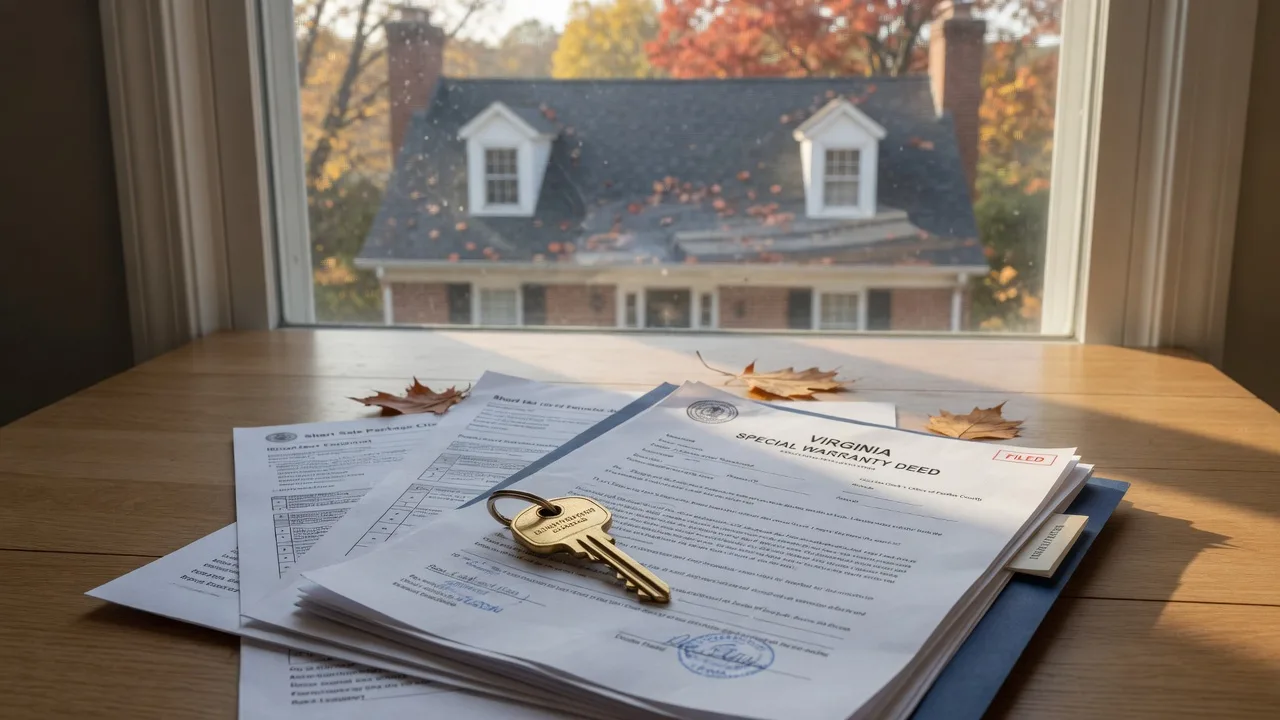
When a Virginia homeowner falls behind and foreclosure looms, lenders and listing agents often describe two voluntary ways out: a short sale and a deed in lieu of foreclosure. Both let you settle a mortgage you can no longer afford, but they work in very different ways, and the right choice depends on your goals, your liens, your equity, and your timeline. This guide explains how each option actually works under Virginia law, compares the credit and financial impact, and shows why the right team, including the right title company, is the difference between a clean closing and a stalled one.
If you have been searching for a short sale realtor near me in the Fredericksburg area, or for foreclosure help in Virginia, you are asking the right question at the right time. Barbara Jennings, REALTOR®, CDPE (Certified Distressed Property Expert), SFR (Short Sales and Foreclosure Resource), Member of the National Association of REALTORS®, and AI-certified in real estate, works with homeowners across Fredericksburg, Stafford, Spotsylvania, Orange, Fairfax, King George, Caroline, Culpeper, Arlington, Alexandria, and Prince William County. Alongside her team partner Joe Vance of KJD Resolutions and ATG Title Company, an attorney-backed title company that handles short sale closings, she has helped more than 4,000 homeowners complete a short sale and/or stop a foreclosure.
The timing matters. Virginia's foreclosure filing rate stays well below the peaks of past downturns, but statewide filings climbed through 2025, up more than 20 percent in the third quarter from a year earlier. Homeowners across the region are reaching out earlier, before the trustee's sale is scheduled, while their options are still open.
What Is a Deed in Lieu of Foreclosure?
A deed in lieu of foreclosure is a voluntary transaction in which you transfer the deed, meaning title, to your home directly to the lender. In exchange, the lender typically releases the deed of trust and stops pursuing foreclosure. It is called "in lieu" because the deed is given in place of a foreclosure sale.
Virginia is a non-judicial foreclosure state. Most homes here are financed with a deed of trust that names a trustee with the power of sale, so the lender does not go through a court case to foreclose; the trustee publishes notice and holds a public auction. For an owner-occupied home, the trustee must mail written notice at least 60 days before the sale under Virginia Code Section 55.1-321, and federal rules keep the process from starting until the loan is at least 120 days delinquent. A deed in lieu sidesteps all of that, but the lender is not obligated to accept one.
Lenders consider a deed in lieu only when it makes business sense. They usually want a documented hardship, a complete financial package, evidence that the home was offered to the market for a period of time, often around 90 days, without viable offers, and clear title. Junior liens are the catch: a second mortgage, HELOC, tax lien, or judgment can survive a deed in lieu unless that lienholder agrees to release it, because a deed in lieu is a contract between you and the first lender, not a forced sale that extinguishes other claims.
How a Short Sale Is Different
In a short sale, your home is listed and sold on the open market to a real buyer for less than the total amount owed. The lender agrees to accept the net proceeds as the payoff, releases its lien, and the buyer takes title at a normal closing. You do not hand the keys to the bank. A buyer purchases the home, and you walk away with the mortgage resolved and, in a properly negotiated file, written confirmation that the debt is satisfied.
Because the property sells at market value, the lender's negotiator compares the projected loss on your short sale with the projected loss at the foreclosure auction, and approves when the short sale returns more. That is why the negotiation matters so much, and why homeowners who search for the best short sale agent in Fredericksburg are really looking for someone who can build that business case and drive it through to an approval letter. The step-by-step short sale process guide and the short sale vs foreclosure comparison walk through both paths in depth.
The Honest Comparison: Which One Fits You?
Control. A short sale gives you a say in the price, the marketing, and the timeline. A deed in lieu is shaped by the lender's requirements and its willingness to take the property back.
Speed. A deed in lieu can close faster, sometimes in roughly three to four months, while a short sale often runs four to six months from listing to closing. But a deed in lieu only moves quickly when the lender agrees and title is clear, and neither is guaranteed.
Credit. Both are reported as derogatory credit events, and both are typically less damaging than a completed foreclosure. Under current Fannie Mae guidelines, a completed foreclosure carries a seven-year waiting period before conventional financing, while a deed in lieu requires about four years, reduced to two with documented extenuating circumstances. Many homeowners who complete a short sale are able to qualify sooner, as the buying again after a short sale guide explains.
Deficiency risk. Virginia has no blanket anti-deficiency statute, so the lender may pursue the difference between the debt and what the property was worth in either scenario. After a foreclosure or deed in lieu, the lender can file a separate lawsuit, and the note carries a five-year statute of limitations under Virginia Code Section 8.01-246. In a short sale, the approval letter should state in writing that the sale satisfies the debt in full and no deficiency will be pursued. In a deed in lieu, the agreement must include a written release of the full deficiency; without it, you can still be sued for the shortfall.
Every situation is different, which is why homeowners facing a Fredericksburg VA short sale, a Spotsylvania short sale, or seeking Stafford foreclosure help should have an honest conversation with a foreclosure prevention expert before choosing a path. Barbara Jennings is exactly that kind of resource: a short sale specialist who has spent over 20 years on distressed transactions in Northern and Central Virginia.
Why the Same Title Company Keeps a Short Sale on Track
Here is where a transaction either stays smooth or starts to fray: the title company. In a short sale, the listing team negotiates with the lender for months, submitting the same financial package repeatedly until the approval letter finally arrives. Barbara's team partner Joe Vance of KJD Resolutions and ATG Title Company, an attorney-backed title company, handles those closings from start to finish.
Using the same title company that negotiates the short sale and continues to provide all of the paperwork to the homeowner in financial distress makes for a much smoother, easier transaction. The title company already understands the full history of the case. It has all of the lender documentation in its file. And it can keep the closing on track without delays or miscommunication, because nothing has to be re-learned and nothing has to be re-submitted at the final hour.
One caveat matters for buyers. Virginia law says buyers CAN choose whatever title company they would like to represent them, and that right is real. In short sale situations, however, it is strongly recommended that the buyer use the title company the listing agent has already been negotiating with, because switching title companies mid-transaction can cause delays, require the re-submission of documents, and potentially derail the entire short sale approval. When every document is already in one place, continuity protects the closing date for everyone at the table.
When a Deed in Lieu Makes Sense, and When a Short Sale Is Better
Sometimes a deed in lieu is the practical answer: the home has no equity and little market appeal, the homeowner does not want to market it, and the lender is willing to take it back on terms that include a written release of the deficiency. It can be the gentlest option when there are no junior liens to untangle and the goal is the fastest possible end to the process.
For most homeowners in the Fredericksburg region, though, a short sale deserves a serious look first. It gives you a voice in the price and the schedule, keeps the home occupied and maintained while it is marketed, and, through the lender negotiation specialist work of Barbara's team, it can deliver a better overall outcome, including the chance to buy again sooner. A deed in lieu should never be signed without a written release of the deficiency and a clear picture of how the transfer will be reported.
The choice is not always obvious, and that is exactly what a private conversation with a distressed property expert is for. Barbara listens first, lays out the numbers, and tells you honestly which option fits, whether that is a short sale, a deed in lieu, or another pathway entirely.
Get a Free, Confidential Consultation
Your situation is private, and the first conversation costs nothing. Barbara will listen to your story, tell you honestly where you stand, and map your options, including whether a short sale or a deed in lieu makes sense for your family. There is no cost, no obligation, and complete discretion.
REALTOR® · 0225179074 · VA · eXp Realty
Frequently Asked Questions About Short Sales and Deeds in Lieu in Virginia
What is the difference between a deed in lieu of foreclosure and a short sale in Virginia?
In a deed in lieu, you transfer title directly to the lender and the lender releases the deed of trust. In a short sale, you sell the home on the open market to a buyer for less than you owe, and the lender approves the payoff and releases its lien so the buyer can close. A short sale keeps you in control of the marketing and timeline; a deed in lieu is a direct handoff to the bank.
Can I just give my house keys to the bank in Virginia?
Not automatically. The lender has to agree to accept a deed in lieu, and it usually requires a documented hardship, a complete financial package, evidence the home was marketed, and clear title. Junior liens such as a second mortgage, HELOC, tax lien, or judgment can survive a deed in lieu unless each lienholder agrees to release it, so "giving the keys back" is rarely as simple as it sounds.
Which option affects my credit less: a short sale or a deed in lieu?
Both are reported as derogatory credit events, and both are generally less damaging than a completed foreclosure. Under current Fannie Mae guidelines, a completed foreclosure carries a seven-year waiting period before conventional financing, a deed in lieu requires about four years (two with documented extenuating circumstances), and a short sale is often the shortest path back to qualifying. Either way, rebuilding credit starts the day the event is resolved.
Will I still owe the bank money after a short sale or deed in lieu?
Virginia has no blanket anti-deficiency statute, so the lender can pursue the difference unless it is waived in writing. In a short sale, the approval letter should state that the sale satisfies the debt in full and no deficiency will be pursued. In a deed in lieu, the agreement must include a written release of the deficiency; without it, you can still be sued for the shortfall.
Which option is faster in Virginia: a short sale or a deed in lieu?
A deed in lieu can close in roughly three to four months when the lender agrees and title is clear. A short sale usually runs about four to six months from listing to closing because it includes marketing, offers, and lender approval. Faster is not always better, however; the right choice depends on your timeline, your liens, and whether the fast route leaves you with the deficiency risk you wanted to avoid.
Why should a buyer use the same title company as the short sale listing agent?
Virginia law lets buyers choose whatever title company they would like to represent them. In short sale situations, however, it is strongly recommended that the buyer use the title company the listing agent has already been negotiating with, because switching title companies mid-transaction can cause delays, require the re-submission of documents, and potentially derail the entire short sale approval. Continuity keeps the closing date intact for everyone.
You Do Not Have to Face This Alone
Short sales and deeds in lieu are not easy decisions, but they are decisions that thousands of homeowners have already made with help. Barbara Jennings is the real estate problem solver and trusted short sale resource who brings financial hardship solutions to families in Fredericksburg, Stafford, Spotsylvania, Orange, Fairfax, King George, Caroline, Culpeper, Arlington, Alexandria, and Prince William County. She does not judge, she does not pressure, and she does not disappear when the paperwork gets hard.
A short, confidential conversation with Barbara Jennings, or with her team partner Joe Vance of KJD Resolutions and ATG Title Company, can show you exactly where you stand and which option fits your family. Call or text (540) 840-1133, email Yourexpertadvisors@gmail.com, or book a free consultation online. There is no cost, and there is no obligation, just a clear picture of your path forward.


Barbara Jennings, REALTOR, eXp Realty. Virginia Real Estate License #0225179074 · 800 Corporate Dr. Suite 301, Stafford, VA 22554 · (866) 825-7169. Equal Housing Opportunity. We are committed to compliance with all federal, state, and local fair housing laws and do not discriminate against any person because of race, color, religion, sex, national origin, familial status, disability, or any other protected class. Each office is independently owned and operated. Information deemed reliable but not guaranteed. Not responsible for typographical errors. Square footage is approximate and should be independently verified.
Disclaimer: General real estate information only. This article is not legal, tax, or financial advice. Virginia statutes and lender guidelines change over time, and every situation is different. Consult the appropriate licensed professionals before making financial or legal decisions.